Great Lives at the Crossroads
Ages 7–12, with family · Begin not with an achievement, but with the problem someone wanted to change.Begin not with an achievement, but with the problem someone wanted to change.
For grown-upsGo beyond matching a familiar name to an achievement. Ask whose problem changed, and what observation and ingenuity made that possible—then connect it to problems a child can notice nearby.
Use period tools and users' experiences to identify the problem a historical figure faced
Compare two values before the ending and explain a choice using evidence
See change spread through collaborators, users, and institutions—not one person's achievement alone
Episodes
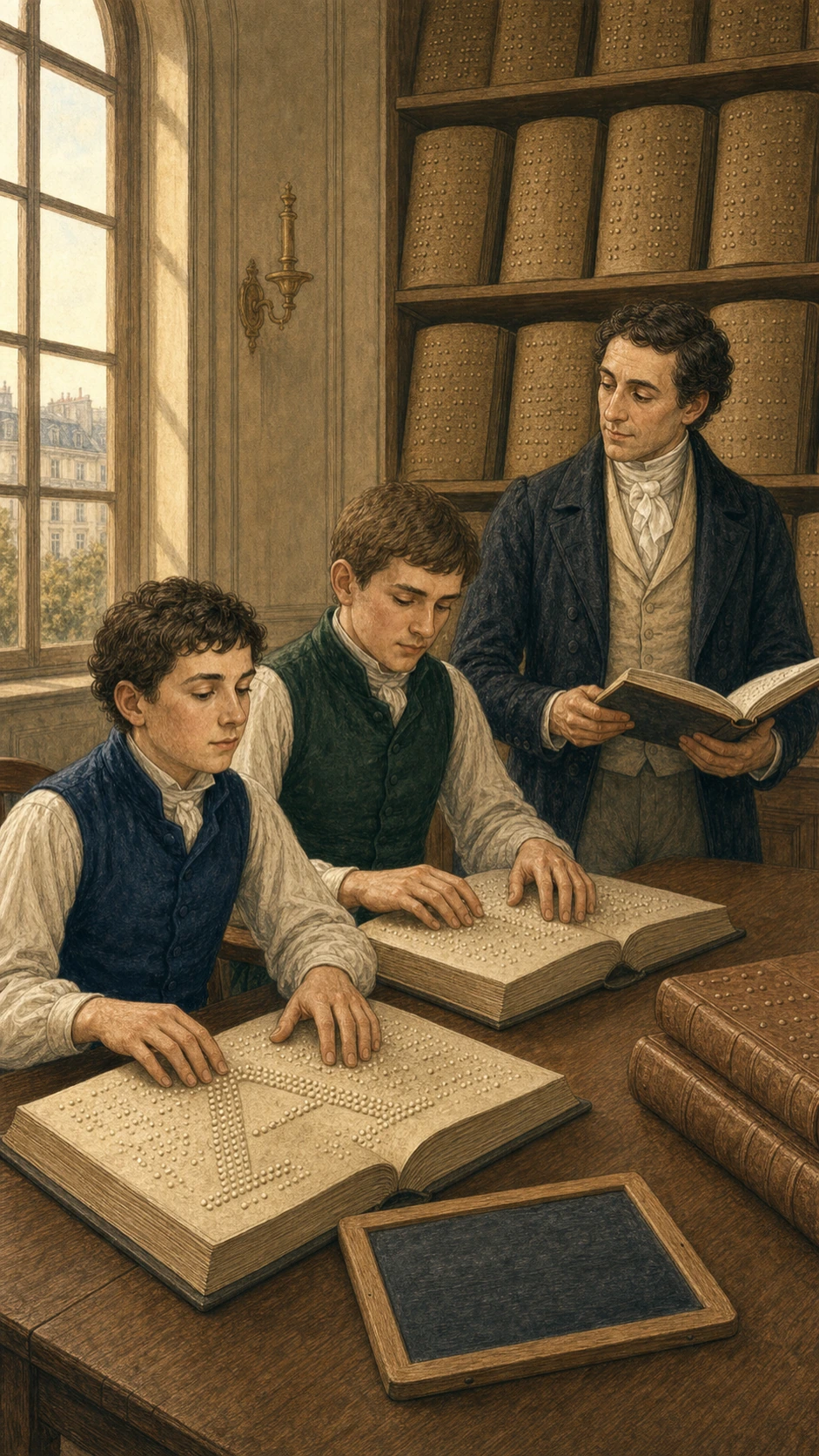
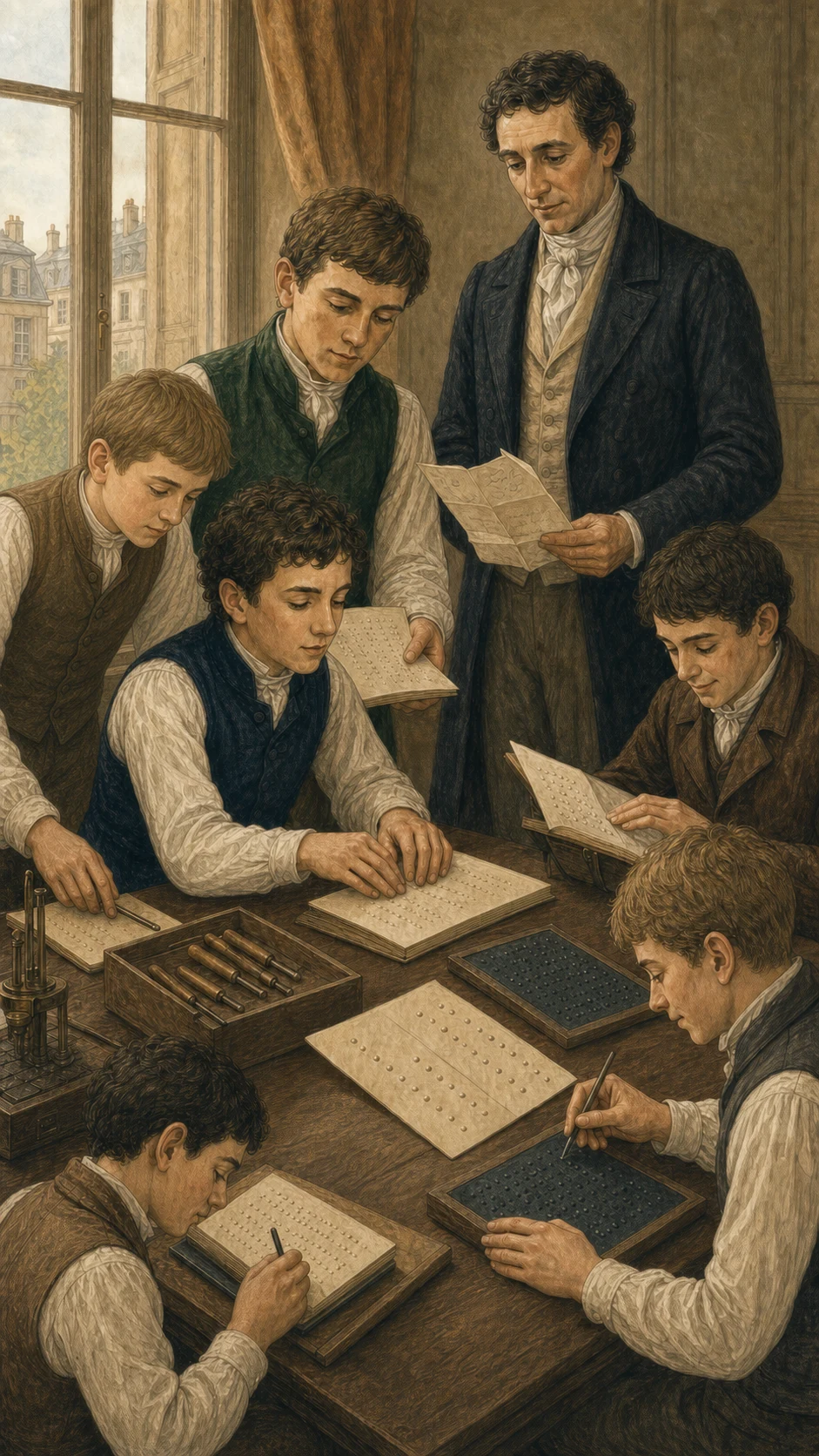
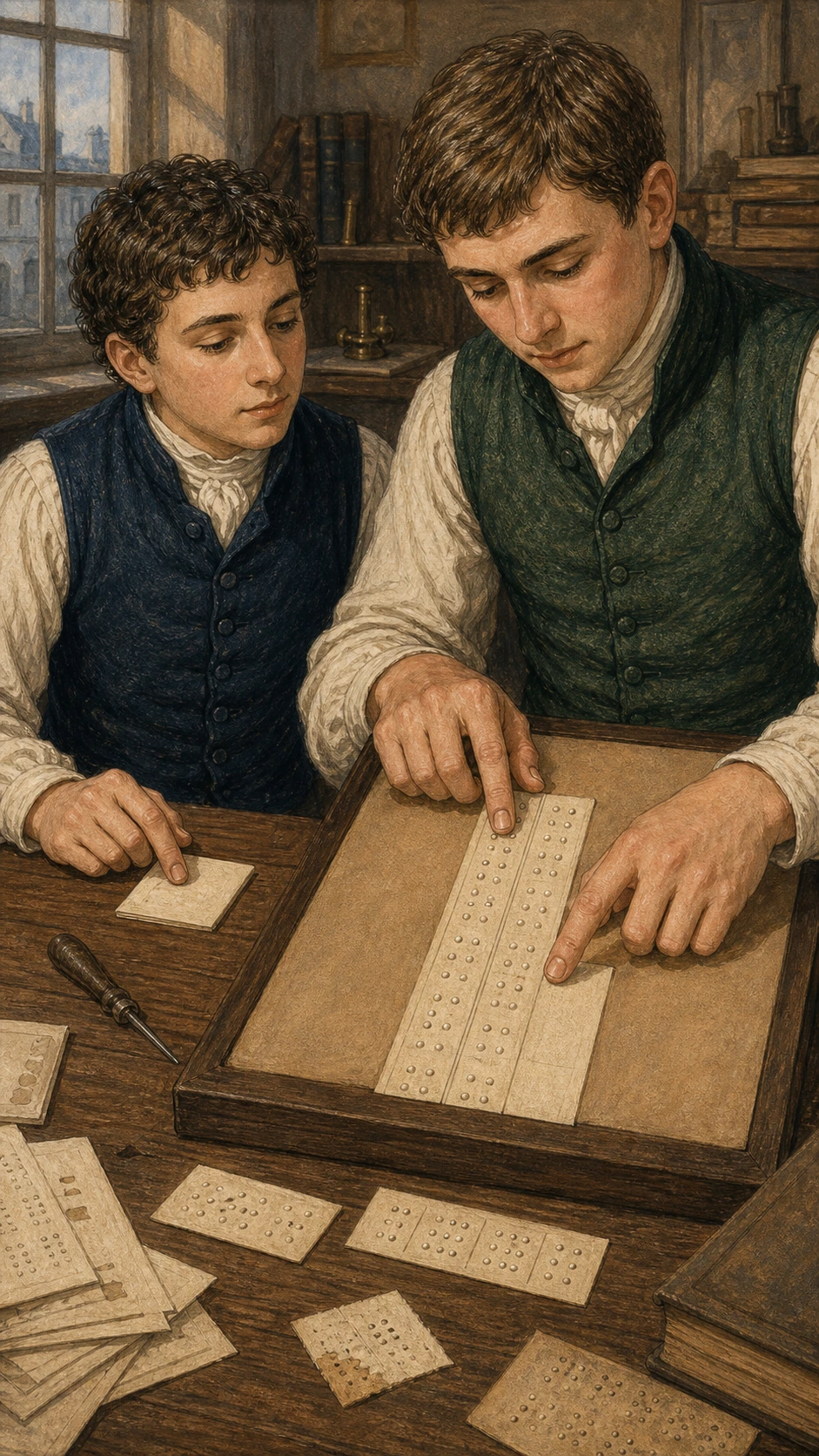
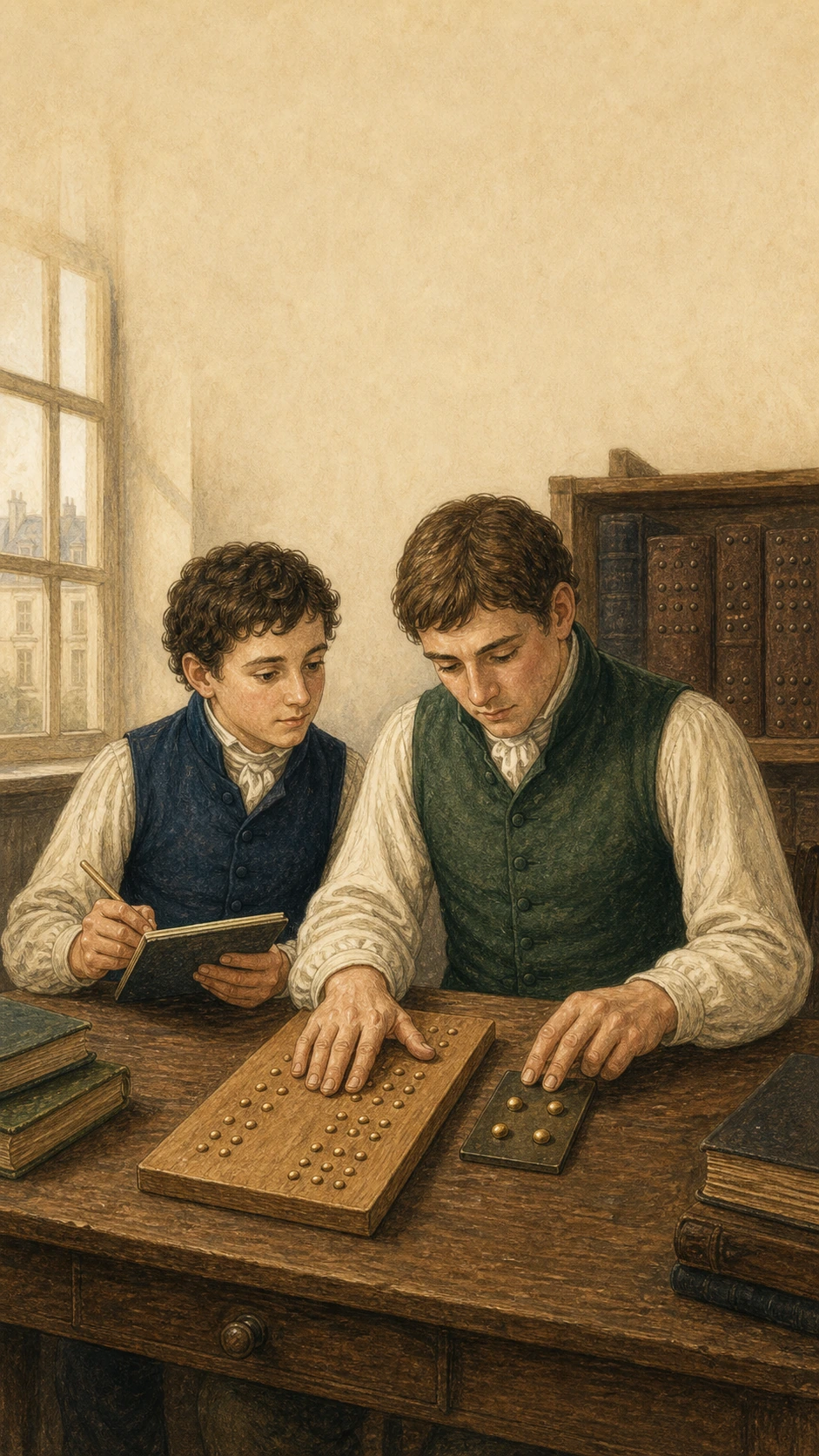
Episode 1Six Dots for Our WordsFree to readParis, 1821. Louis Braille tries a twelve-dot system at school that students can write themselves, then faces a choice: use it now, or redesign it as six dots that fit beneath one fingertip.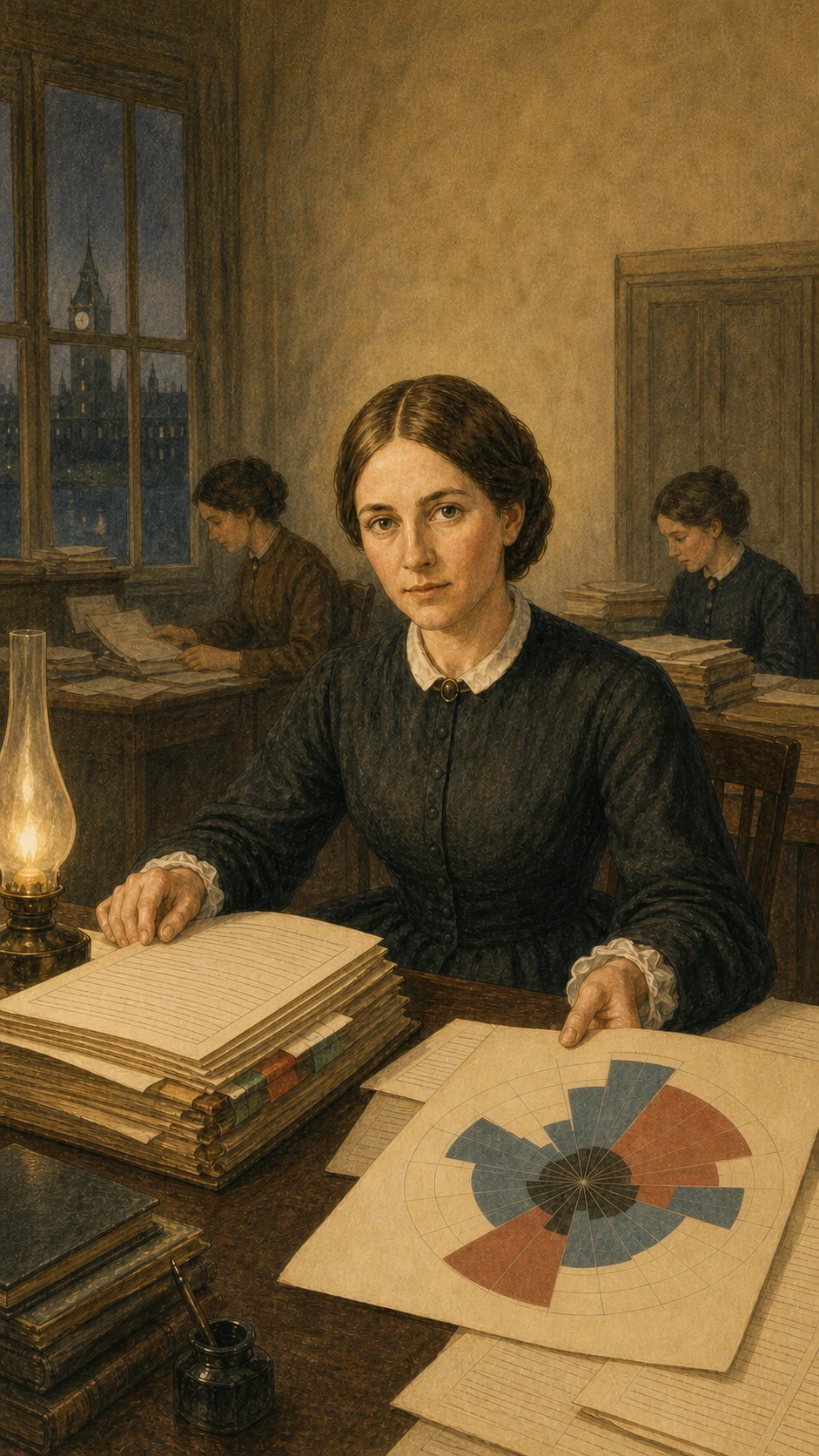 Episode 2Turning Numbers into a VoiceFree with an accountBack from a Crimean War hospital, Florence considers how to show the government records revealing that many more soldiers died from disease. A detailed report, or a diagram understood at a glance? Follow statistics from evidence to institutional reform.
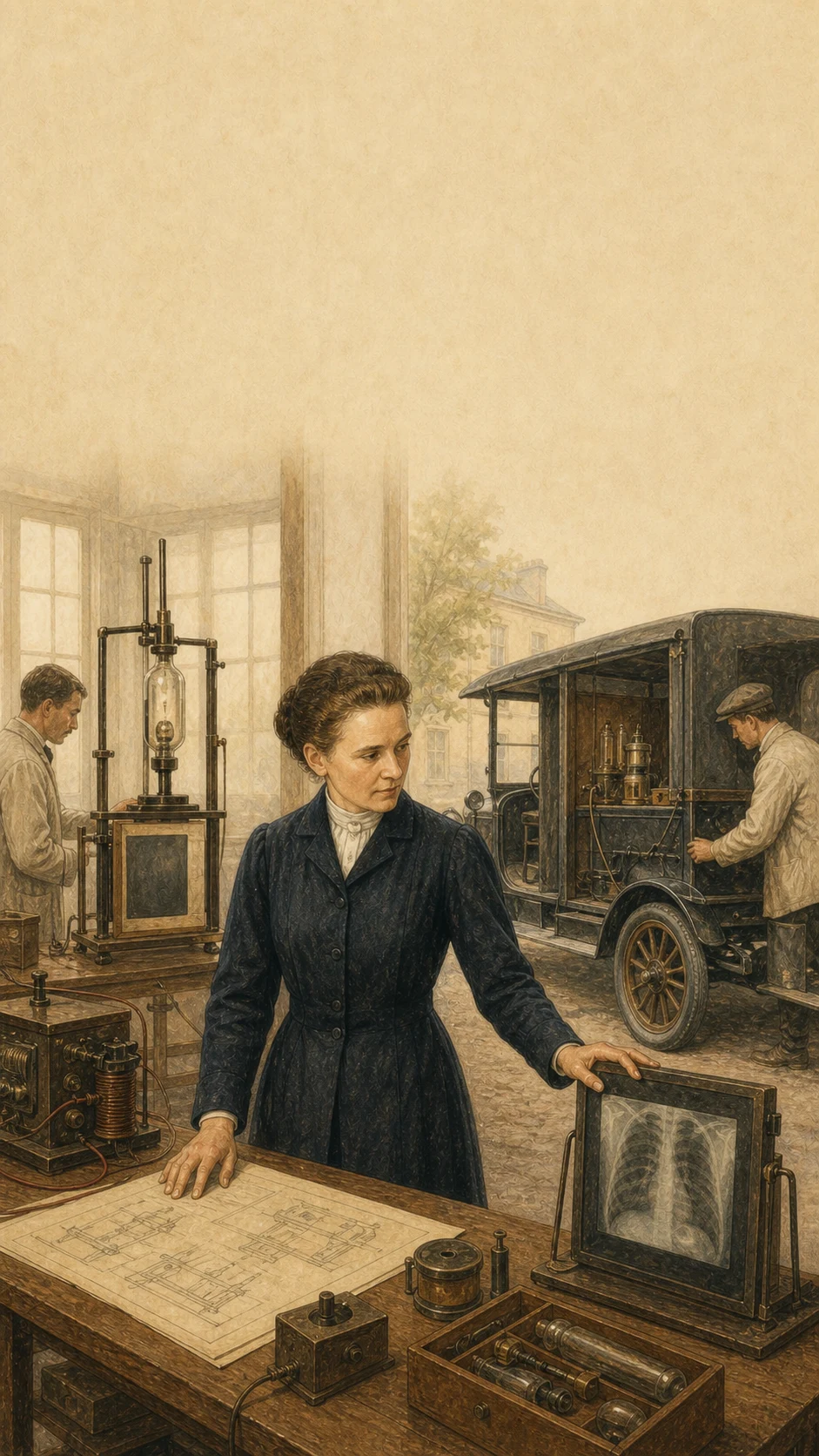 Episode 3Carrying the Invisible LightMembersWhen the First World War began, hospitals lacked X-ray machines, electricity, and trained operators. Install fixed equipment, or carry it by car with a generator? Follow Marie Curie and her collaborators as they turn discovery into a system people can use.
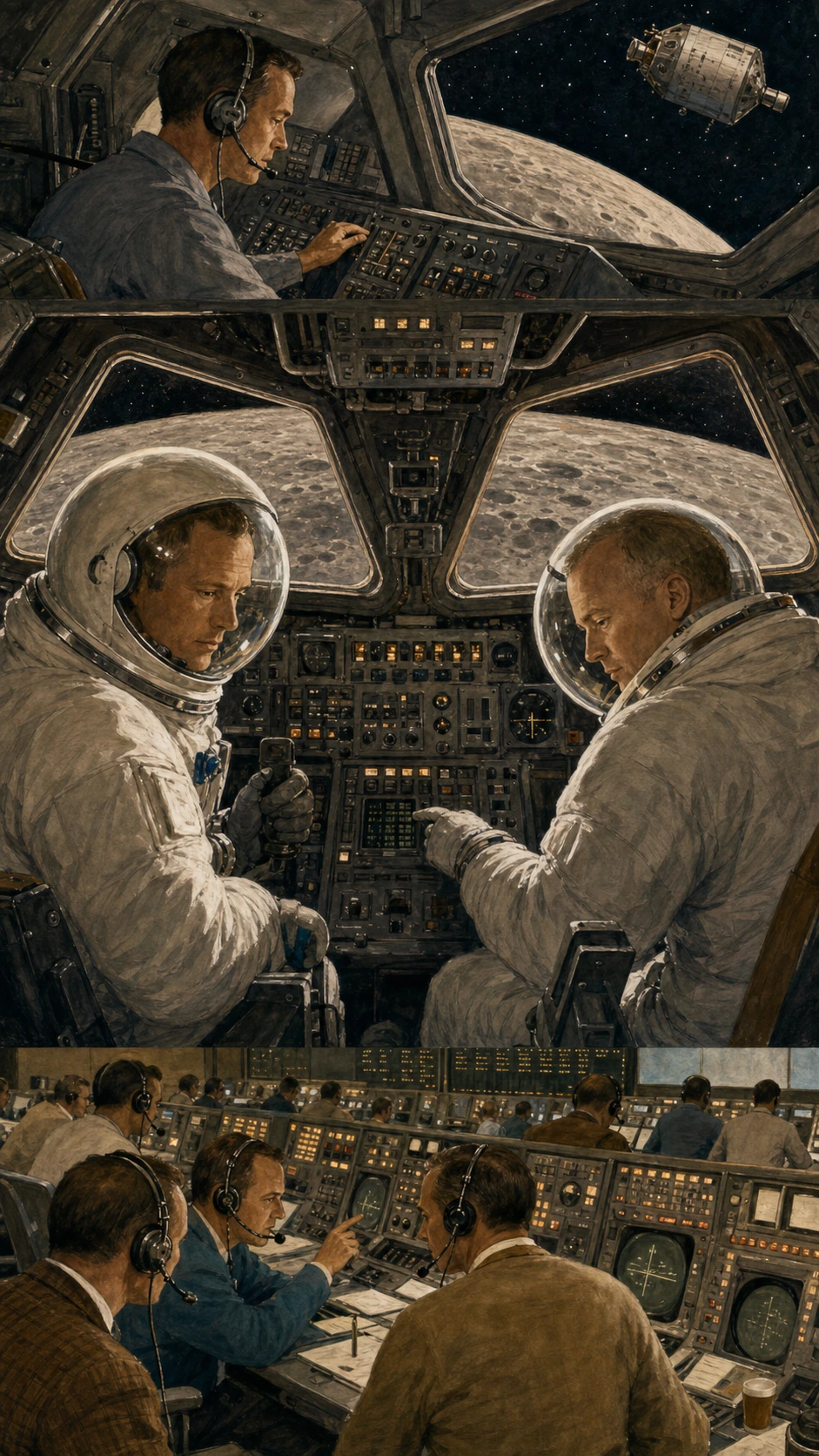 Episode 4How Do You Read an Alarm?MembersIn 1969, a 1202 program alarm appeared as lunar module Eagle descended. Abort as soon as an alarm appears, or check critical functions and multiple data streams before continuing? Follow how three astronauts, Mission Control, and the software team supported a safe landing and return.
The words and pictures in this story were made using AI.
Great Lives at the Crossroads
This great-lives series pauses at a historically grounded turning point and asks what problem each person noticed and whose experience they heard. Episode 1 follows Louis Braille as he redesigns a twelve-dot method into six dots that fit beneath one fingertip. Episode 2 follows Florence Nightingale as hospital records become both a detailed report and a diagram people can grasp at a glance. Episode 3 follows Marie Curie as fixed and mobile X-ray services carry science where it is needed. Episode 4 follows Apollo 11 as its crew and Mission Control interpret a 1202 alarm from flight data, supported by priority-based software. Across four stories, observation and evidence are checked with collaborators, then turned into systems society can use. Episode 1 is complete and free, with no account or payment details required.