Beyond the Masterpiece
For adults and ages 13+ · Read a masterpiece not as trivia, but as a life.Read a masterpiece not as trivia, but as a life.
보호자에게Edited so the grown-up genuinely wants the next episode—not around a child's output. Read alone as a quiet encounter with art, or with family as a conversation where no one grades what another person saw.
Look through colour, composition and space by noticing where your own eyes move
Read the artist's life through sustained work without romanticising hardship
Follow provenance and image sources to understand how a masterpiece reaches the present
에피소드
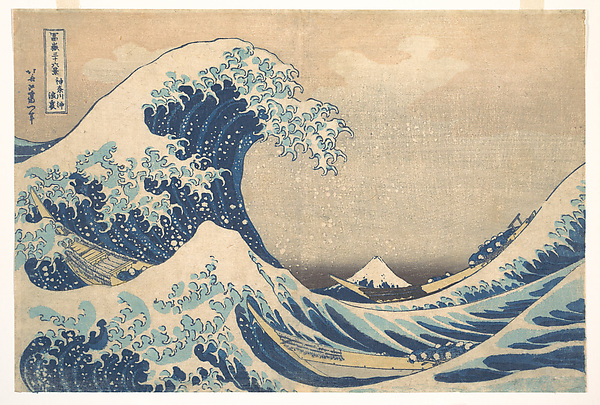 제2화Fuji Does Not Move멤버The Great Wave, Red Fuji, Ejiri and Kajikazawa show the same mountain through surf, dawn colour, violent wind and working hands—revealing how Hokusai changed a world by changing viewpoint and composition.
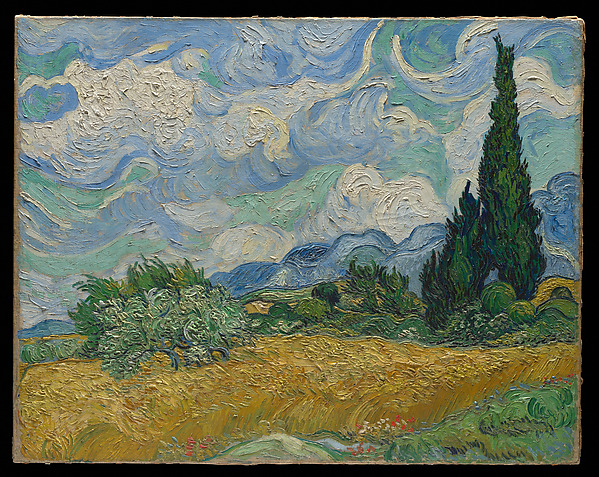 제3화Van Gogh Thought in Color멤버Self-portrait, cypresses, wheat, irises and roses reveal Van Gogh's practice: saving model fees to study, pursuing difficult greens, revising compositions and conceiving paintings in pairs—not using colour as shorthand for tragedy.
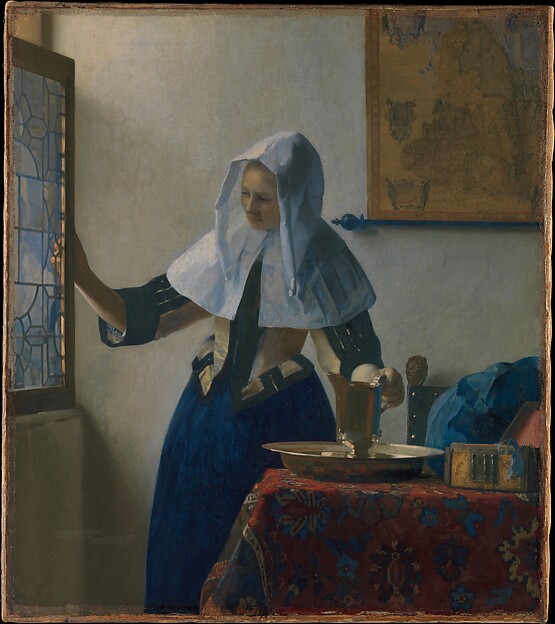 제4화Stillness Is Painted멤버A sleeping maid, a lute being tuned, a water pitcher and a study of a young woman reveal how Vermeer edited daily life into stillness through window light, omission and moments just before action.
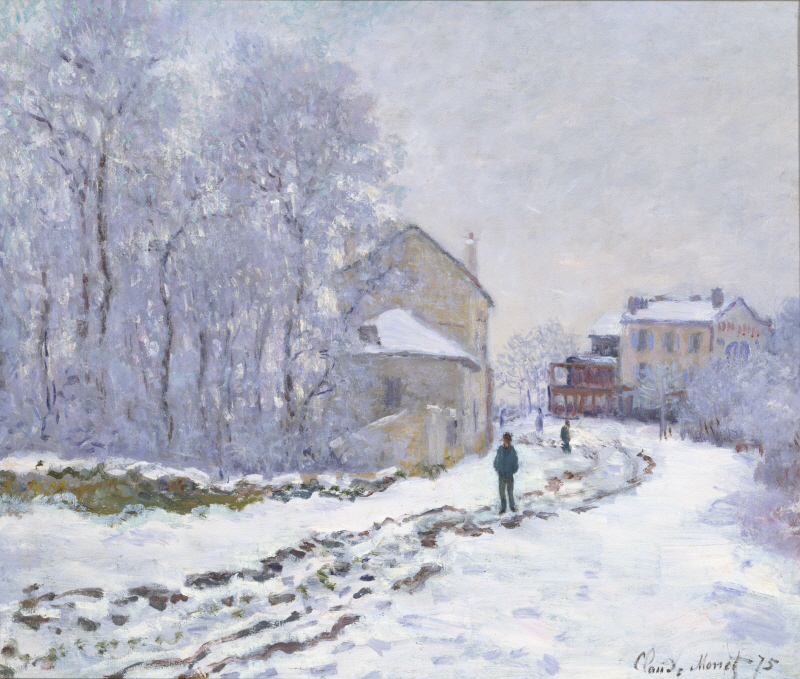
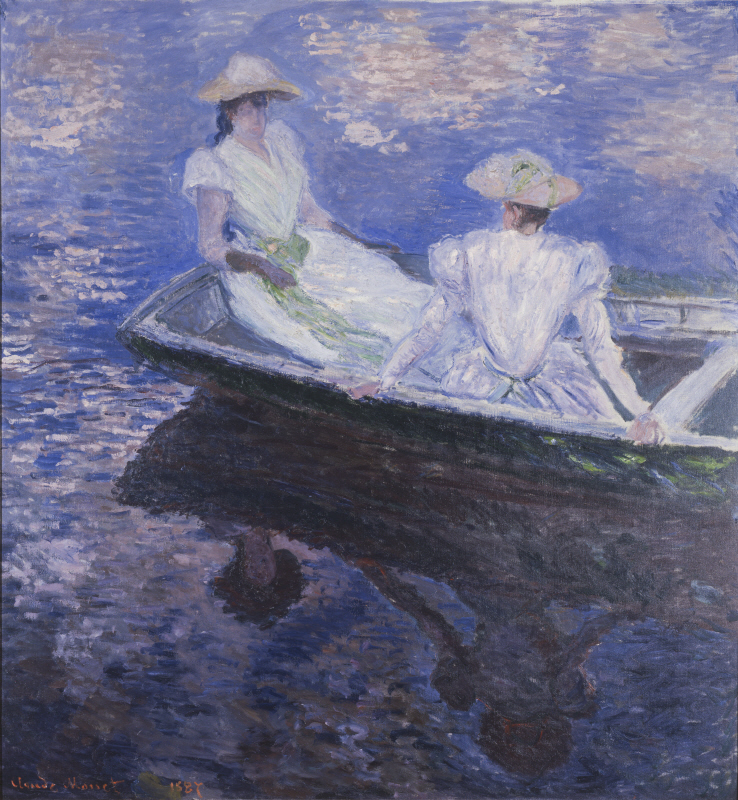
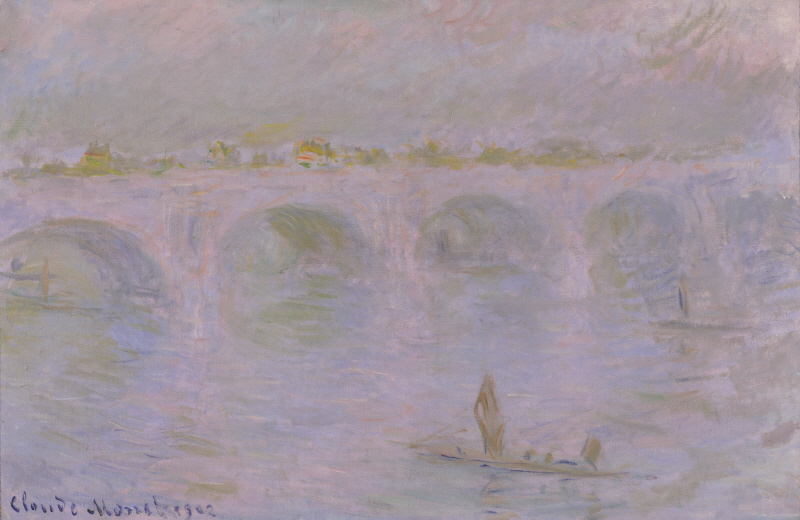 제5화The Same View Is Never the Same멤버Compare Monet's snow, river, poplars, London fog and Giverny pond to discover why returning to a subject could be an act of discovery rather than repetition.
Episode 1: The pictures are public-domain masterpieces. The words were made using AI. The music was also made using AI.
Episodes 2–5: The pictures are public-domain masterpieces. The words were made using AI.
Beyond the Masterpiece
An art-documentary series that gives authentic masterpieces room to breathe and asks what each artist kept looking at—and what choices built the image. The opening four episodes feature one artist each: a free Monet premiere, then Hokusai, Van Gogh and Vermeer. From Episode 5, return to artists worth a deeper look. Lives and provenance are grounded in official sources without romanticising hardship.