World History at the Crossroads
Ages 8–12, with family · Before the world changes, hear how your child would think.Before the world changes, hear how your child would think.
For grown-upsConnect defining figures in world history through the problems they faced and the voices that changed a decision—not names and dates alone. Family conversation builds a foundation for secondary-school social studies and learning to find evidence in sources.
Use the period, place, and tools of the time to identify the problem for yourself
Compare two values before the ending and explain a choice using evidence
Consider a decision's effects on soldiers and conquered peoples, not only the ruler who made it
Episodes
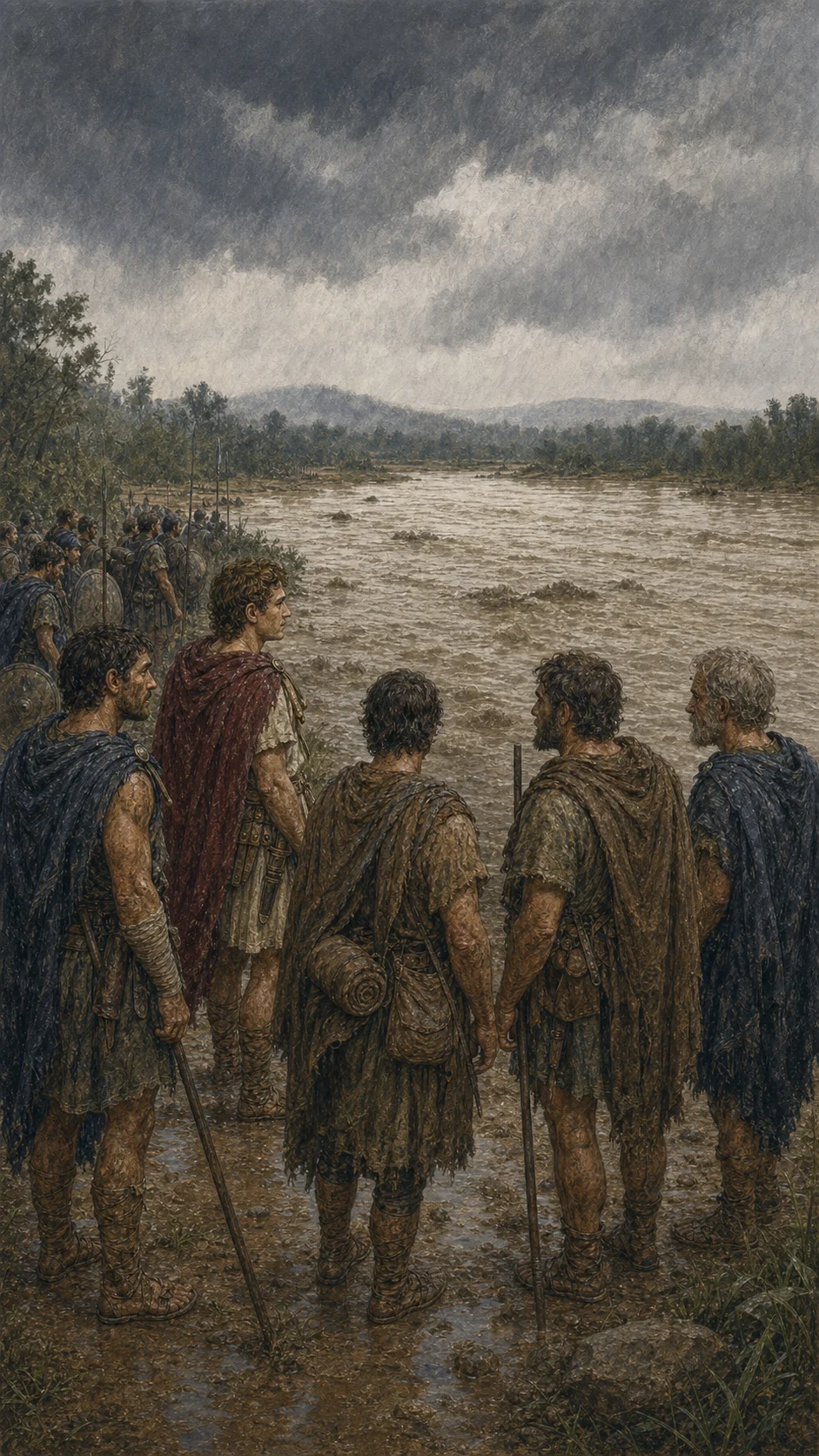
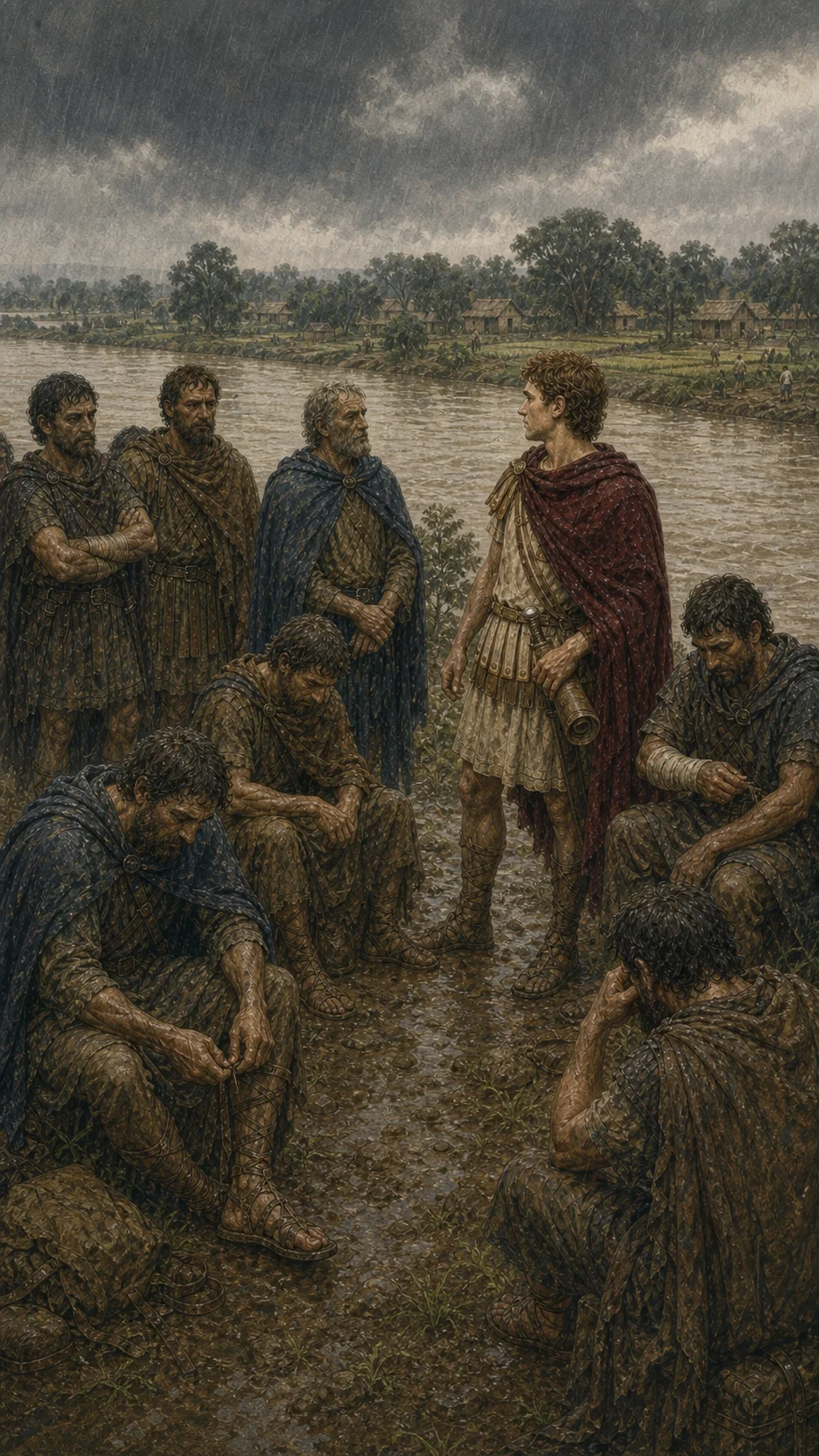
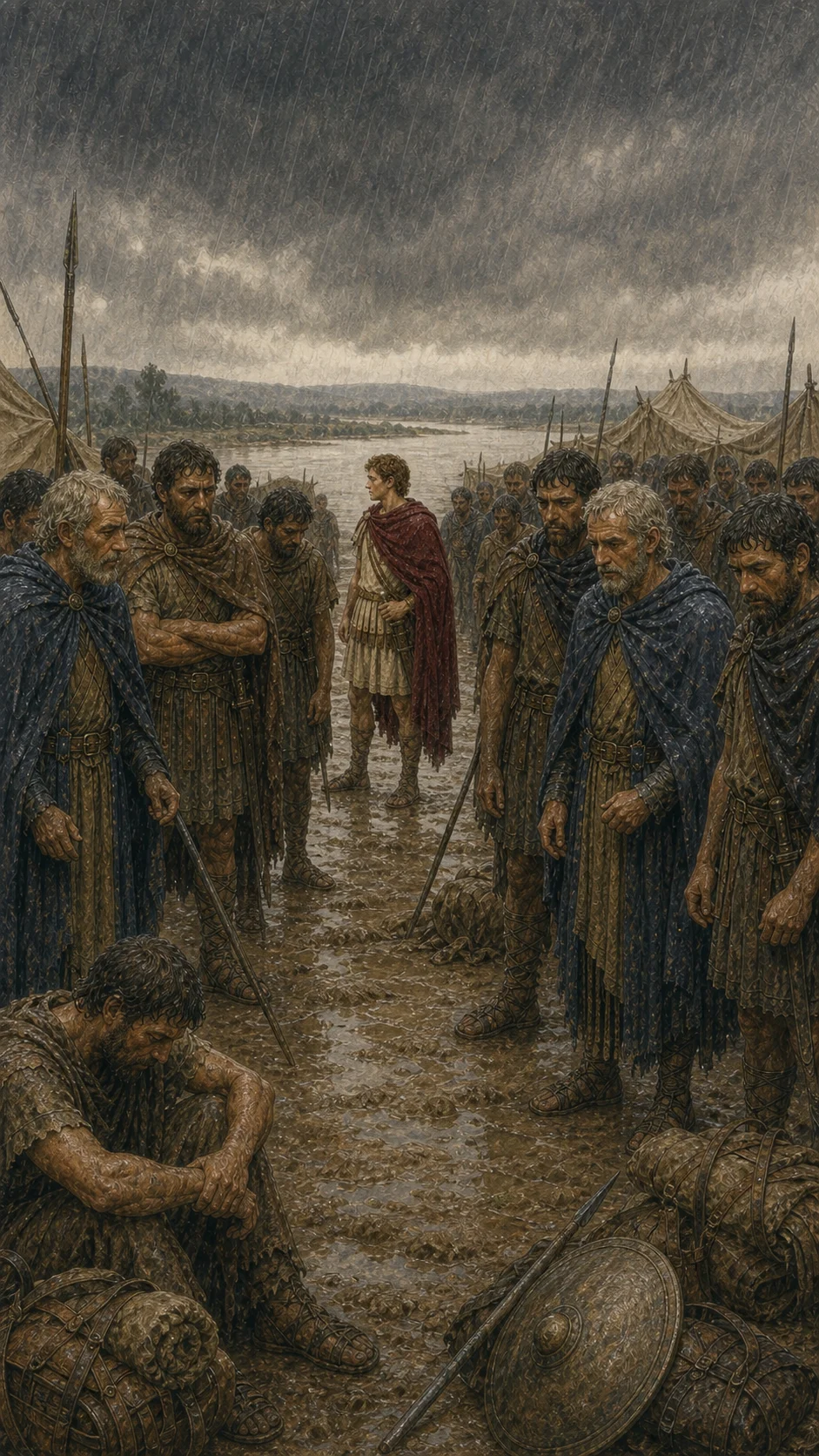
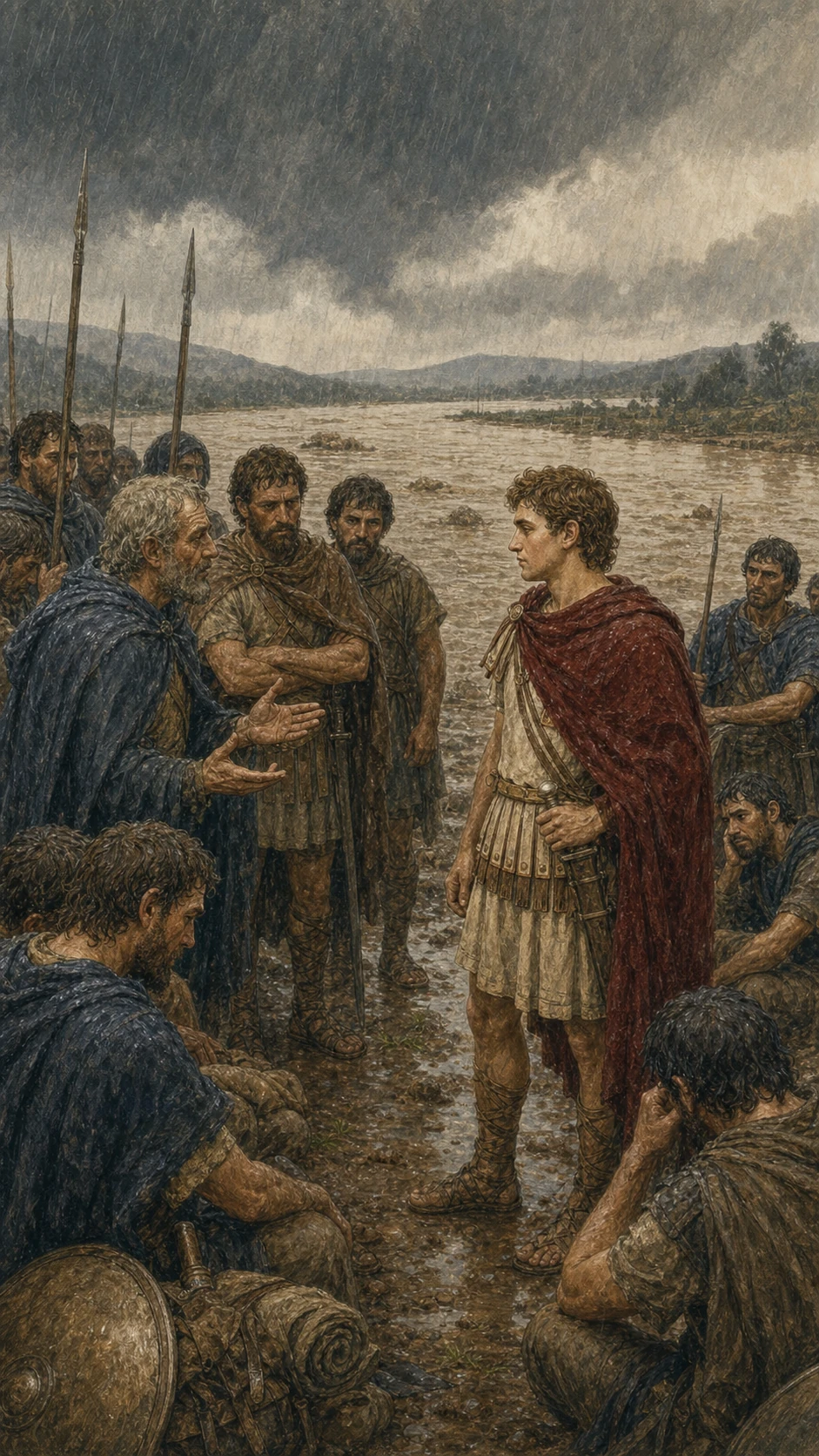
Episode 1Beyond the River—or Turn Back?Free to readAt the Hyphasis River in 326 BCE, soldiers exhausted by years of campaigning refuse Alexander's plan to march farther east. Compare the king's concerns, the soldiers' burden, and the effect on people beyond the river—then examine the limits of the surviving sources.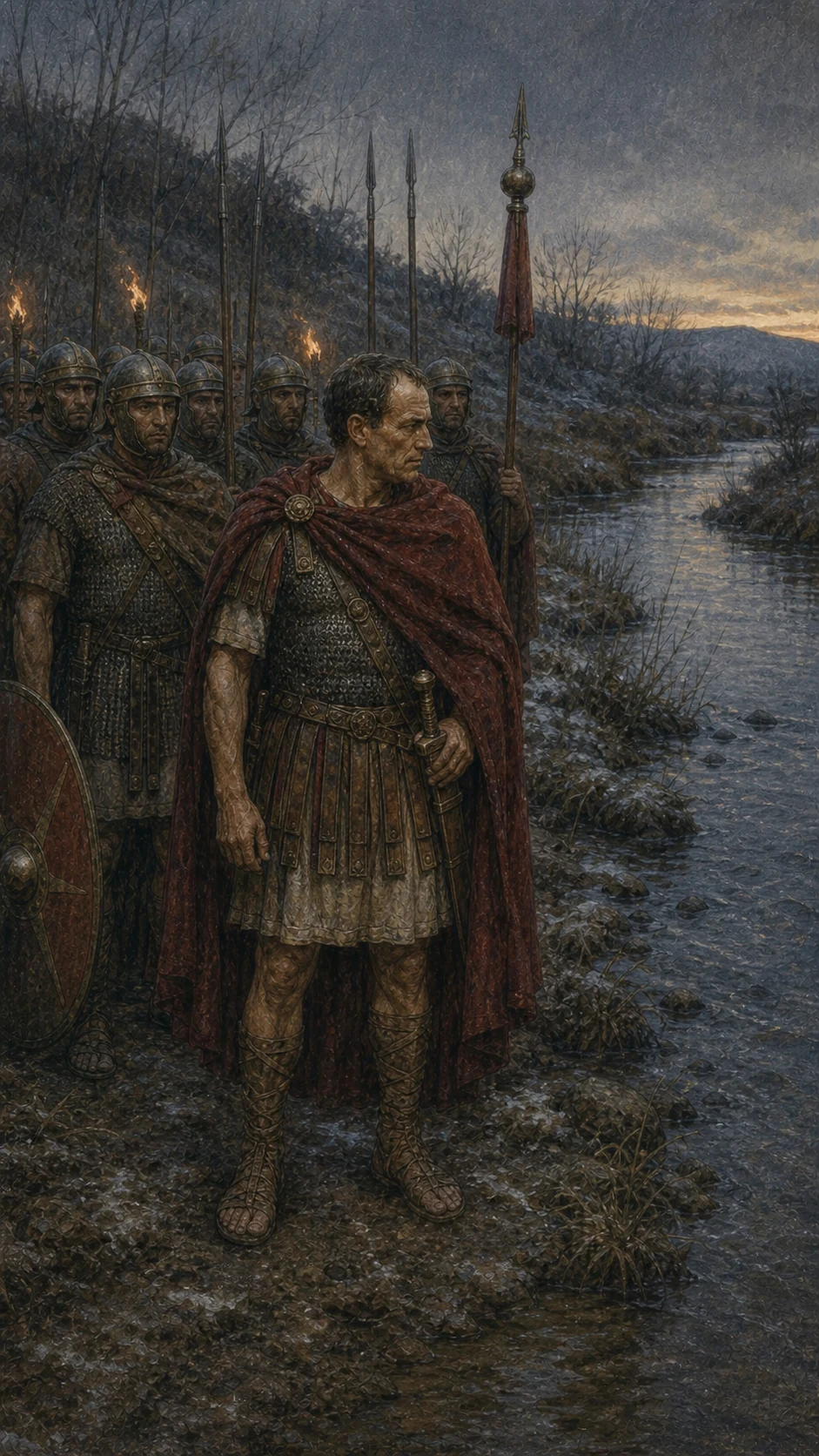 Episode 2Cross the Rubicon?Free with an accountIn 49 BCE, Caesar faced whether to disband his army and return to Roman procedure, or cross the Rubicon with troops. Both carried danger. Compare sources to trace how his decision led into civil war and changes in the Republic.
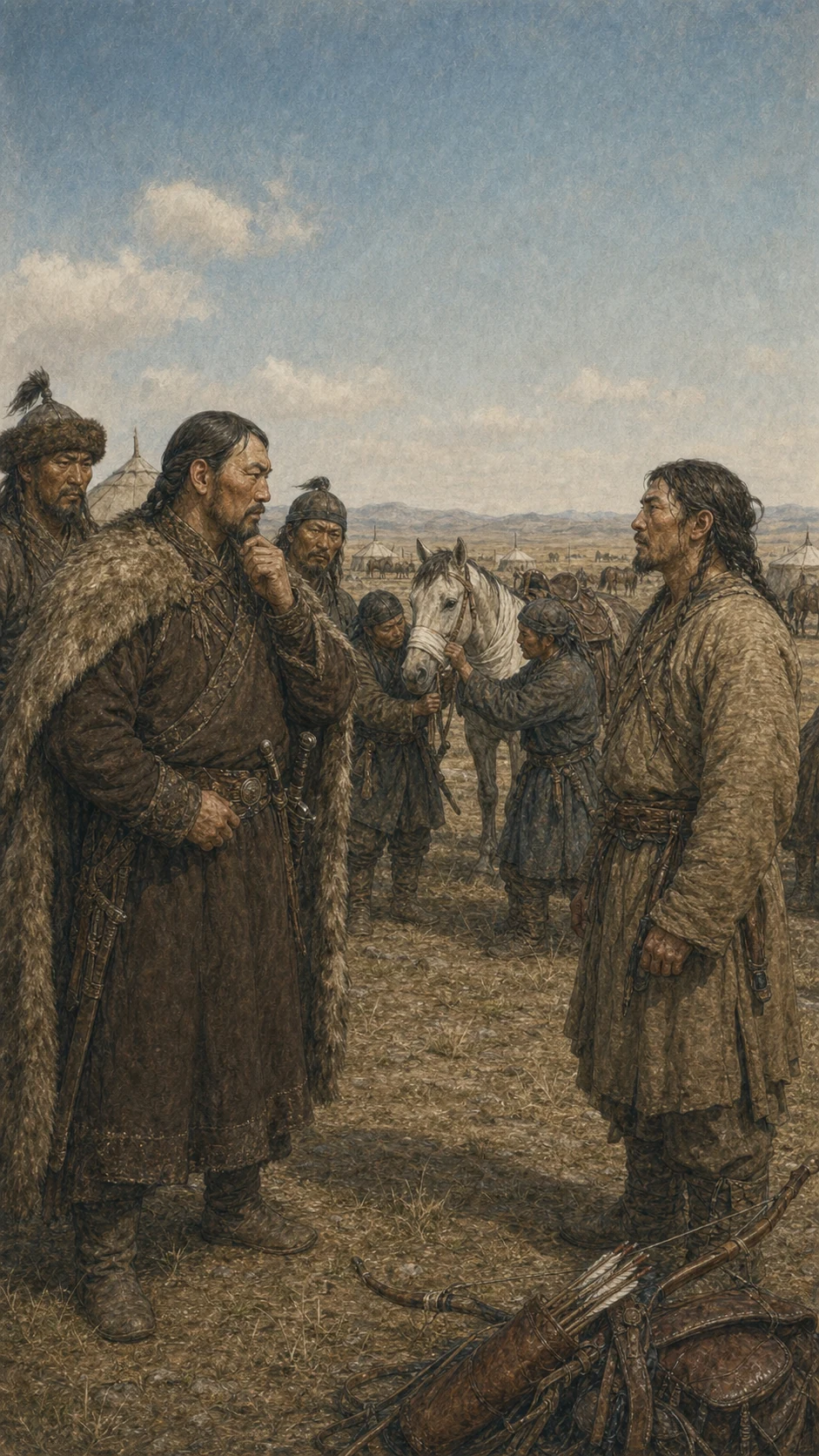 Episode 3Make an Enemy an Ally?MembersBefore becoming Chinggis Khan, Temüjin faces an enemy archer who admits shooting his warhorse. Punish him to avoid danger, or trust his honesty and skill and recruit him? Read an episode from The Secret History of the Mongols alongside the twin histories of organization and conquest.
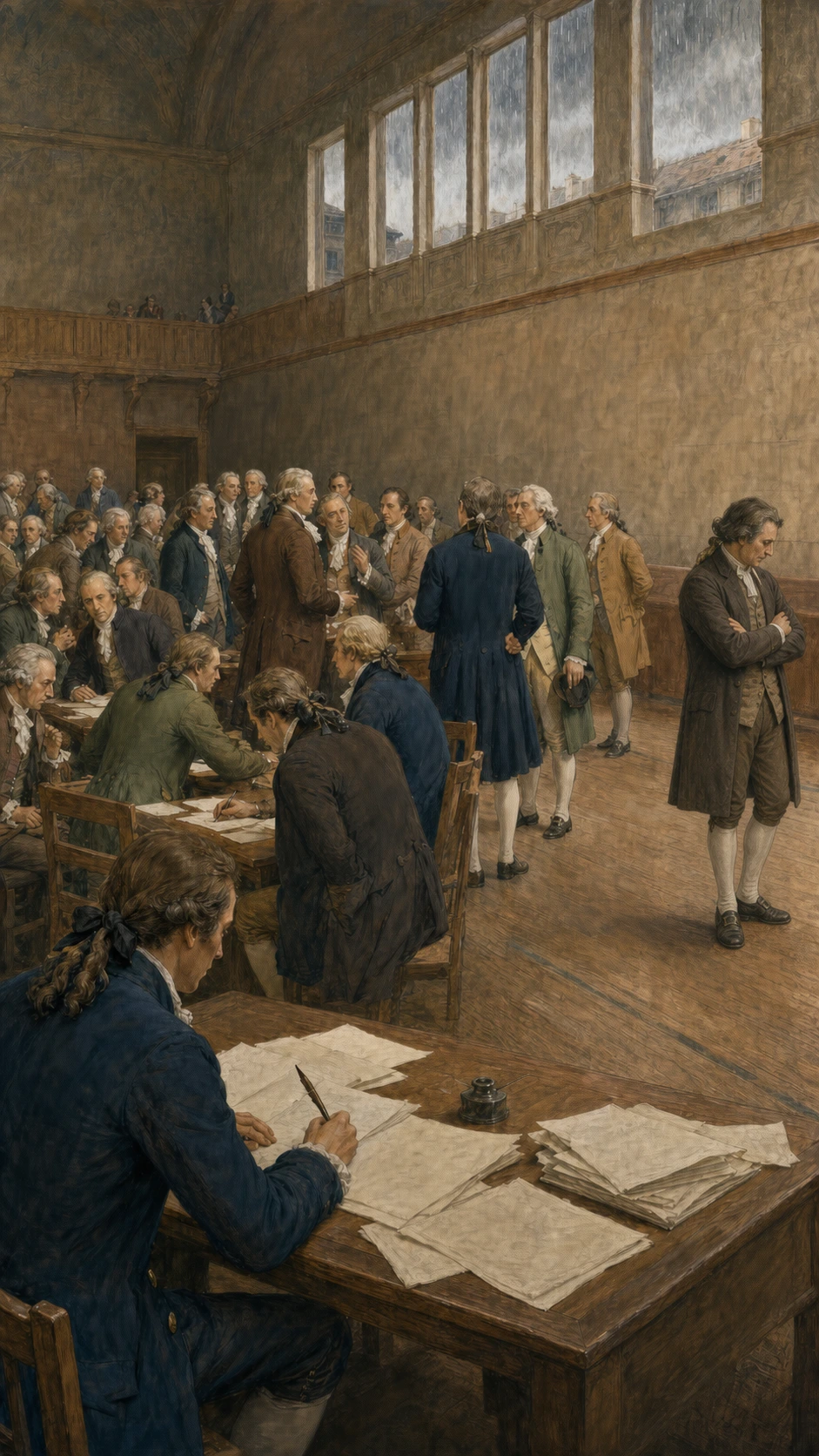 Episode 4Keep Meeting When the Doors Close?MembersIn 1789, France's Estates-General stalled over whether votes should be counted by order or by individual deputy. After declaring themselves a National Assembly, deputies found their hall closed and faced a choice: disperse and await royal procedure, or keep meeting until a constitution existed. The Tennis Court Oath opens a way to read both the promise and limits of Revolution.
The words and pictures in this story were made using AI.
World History at the Crossroads
Pause just before a consequential decision involving a defining figure or event in world history. Families use maps, objects, and historical sources as clues, compare two paths, discuss their reasons, and then confirm what happened. Episodes 1–3 follow Alexander the Great and dissenting soldiers, Julius Caesar at the Rubicon, and the future Chinggis Khan recruiting an enemy archer. Episode 4 turns to the French Revolution: after deputies find their hall closed, should they disperse and await royal procedure or keep meeting as a National Assembly? Across four stories, families look beyond rulers to soldiers, opponents, conquered peoples, representatives, and those left unrepresented, tracing how decisions change institutions and daily life. Episode 1 is complete and free, with no account or payment details required.